Asbestos in Older Homes: A Guide for DIY Renovators
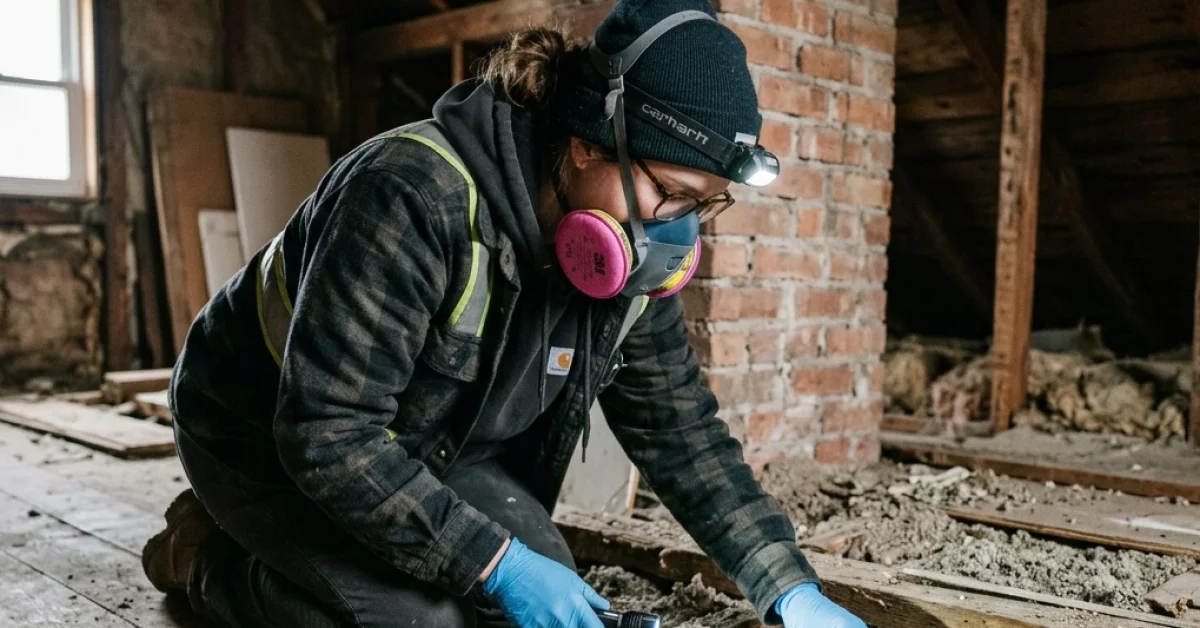
If your home was built before 1980, there is a meaningful chance it contains asbestos somewhere in its structure. For decades, asbestos was used as insulation and a fire retardant in building construction, finding its way into materials most homeowners never think about until they pick up a crowbar or start pulling up flooring.
The danger is not in the presence of asbestos itself. Asbestos that is intact and undisturbed generally does not pose a health risk. The problem arises when asbestos-containing materials are cut, sanded, drilled, broken, or otherwise disturbed, releasing microscopic fibers into the air that can be inhaled and can lodge permanently in lung tissue.
For the growing number of people tackling home renovation projects themselves, this is a risk worth understanding before you start swinging a hammer.
Where Asbestos Hides in Older Homes
Asbestos was widely used in residential construction through the late 1970s, and some products remained in use into the early 1980s. Here are the most common areas where it may be present in a home of that era:
Pipe and duct insulation. Asbestos was used to insulate hot water pipes, steam heating pipes, and HVAC ducts. The insulation often wraps the pipes in a gray or white material that may be in deteriorating condition in older homes.
Vinyl floor tiles and adhesives. Asbestos floor tiles were especially common in homes built in the 1950s through 1970s. The 9x9 inch floor tile manufactured in this era frequently contained asbestos. Equally important: the adhesive (or mastic) beneath those tiles often contained asbestos as well, even if the tiles themselves did not.
Popcorn ceilings and textured plaster. Acoustic ceiling treatments, often called popcorn ceilings or cottage cheese ceilings, were frequently made with asbestos until the late 1970s. These can be friable, meaning they release fibers easily, particularly when disturbed during a scraping or removal project.
Attic and wall insulation. Vermiculite attic insulation, which was sold under the brand name Zonolite among others, was contaminated with asbestos in many cases because of the ore source used for decades by the primary U.S. supplier. Additionally, block insulation boards and some types of loose-fill wall insulation from this era may contain asbestos.
Roof shingles and siding. Asbestos cement was used in roofing and in the exterior siding of some mid-century homes. It is generally safer when intact but becomes hazardous when cut or broken.
Joint compound and drywall finishing. Some brands of drywall joint compound used through the 1970s contained asbestos. Sanding dried joint compound is one of the most hazardous DIY activities in an older home because it can produce large quantities of fine dust.
Around furnaces, wood stoves, and fireplaces. Asbestos was used in door gaskets, tape, and insulating board around heating equipment. It was also common in the insulation of old oven and range components.
What to Do if You Have Already Disturbed Asbestos
If you completed a renovation project in an older home and are now concerned about asbestos exposure, here are the immediate steps to consider:
Stop the work. If you discover something during renovation that you suspect may be asbestos, halt the project.
Minimize further disturbance. Do not sweep or vacuum the area. Standard vacuum cleaners can disperse asbestos fibers rather than capturing them. HEPA-filtered vacuums are required for asbestos cleanup.
Get the material tested. Asbestos cannot be identified visually. Testing requires sending a sample to an accredited laboratory. Many environmental testing companies and some home inspection firms offer this service.
Consult an abatement professional. Licensed asbestos abatement contractors have the training, equipment, and legal authorization to remove asbestos-containing materials safely. This work is regulated under federal EPA and state rules.
Monitor your health. Asbestos-related diseases, including mesothelioma and asbestosis, have long latency periods, often 20 to 50 years. A single acute exposure during a renovation project is generally considered lower risk than occupational exposure over years, but any significant exposure warrants attention. Discuss the incident with your doctor and document it.
The Discovery Rule: Why Legal Rights May Still Be Open
Here is something many people who were exposed to asbestos during home renovation do not realize: even if the disturbance happened years or decades ago, you may still have legal rights depending on when any resulting health condition was diagnosed.
Courts in most states apply what is called the discovery rule for asbestos-related claims. Under this rule, the statute of limitations, which is the filing deadline for a legal claim, does not begin running at the moment of exposure. It begins when the patient discovers, or reasonably should have discovered, that they have an asbestos-related disease. In practice, this typically means the clock starts at diagnosis.
This is significant for homeowners who disturbed asbestos in their home years or even decades ago. If you are only now being diagnosed with mesothelioma or asbestosis, the legal window for making a claim may still be open. Our article on the statute of limitations and the discovery rule breaks down exactly how this works by state and how long you have to act after diagnosis.
Who Is Legally Responsible?
The legal question in residential asbestos exposure cases is more complicated than in occupational cases. Unlike a factory worker who can identify the specific products their employer purchased from specific manufacturers, a homeowner may not know who made the insulation or the floor tiles in their 1950s ranch house.
However, several avenues for identifying responsible parties exist:
Product identification through records. Contractors who worked on the home, original building permits, prior owners, and historical records of what products were sold in a region during a specific time period can all help identify manufacturers.
Manufacturer liability. If a specific asbestos-containing product can be identified, the manufacturer may be held liable for failure to warn about the hazards of their product.
Trust fund claims. Many asbestos product manufacturers are no longer solvent and have established bankruptcy trust funds. If the product in question was made by a company with a trust, a claim can be filed without a lawsuit. The same building materials that posed risks in homes were also used extensively in older school buildings, and teachers and staff face similar identification challenges, as we cover in our article on asbestos in schools.
Getting a Legal Assessment
If you have been diagnosed with mesothelioma or an asbestos-related disease and believe the exposure came from home renovation work or the materials in your own home, the right step is to discuss the situation with a mesothelioma attorney. Initial consultations are free, and attorneys handle these cases on a contingency fee basis.
The mesothelioma attorney directory at Attorney4Mesothelioma includes attorneys who handle both occupational and residential exposure cases across the country, including San Francisco, Denver, and Phoenix.
This article contains general information and does not constitute legal or medical advice. Asbestos testing and abatement should be handled only by licensed professionals. Consult a qualified mesothelioma attorney to understand your specific legal options based on your exposure history and diagnosis.
More to Read:





Previous Posts:
Next Posts: