Navy Veterans and Asbestos: Why Ships Were High-Risk Zones
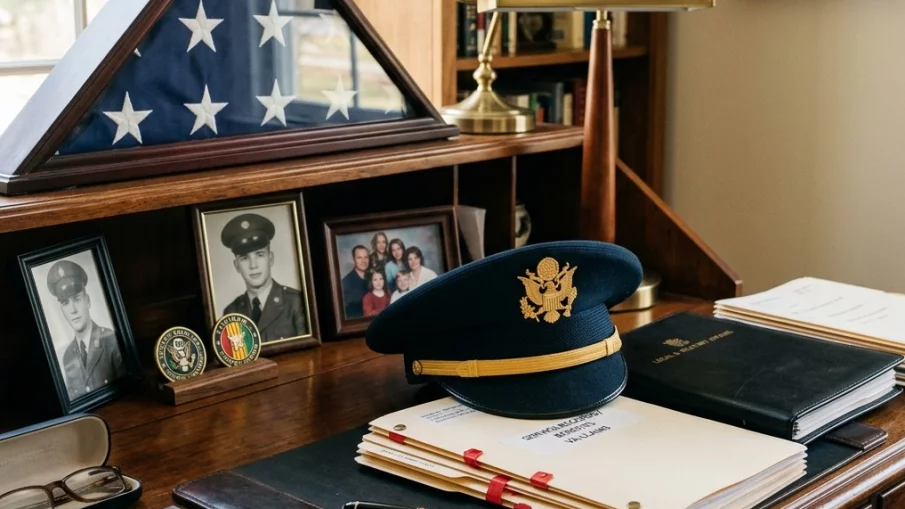
For veterans who served in the U.S. Navy from the 1930s through the early 1980s, the risk of asbestos exposure was not a distant possibility. It was woven into the very structure of the ships on which they lived and worked.
Asbestos was used extensively in naval construction because of one property the military valued above almost anything else: it did not burn. In tight, enclosed spaces where engines ran hot, steam pipes carried heat throughout the hull, and the threat of fire was ever-present, asbestos insulation was considered essential technology. The result was that thousands of sailors breathed in asbestos fibers daily, often without any awareness of the danger until decades later.
Navy veterans now represent a disproportionately large share of all mesothelioma diagnoses in the United States.
Why Ships Were So Heavily Contaminated
Asbestos was not just used in one area of a Navy vessel. It appeared throughout the ship in almost every system that dealt with heat, pressure, or fire protection. But the highest concentrations, and the most dangerous exposures, were located in the areas where sailors worked in close proximity to that asbestos every day.
Engine Rooms
The engine room was the beating heart of any ship, and it was also one of the most asbestos-saturated environments a sailor could enter. Steam turbines, diesel engines, pumps, and compressors were wrapped or packed with asbestos insulation. The heat generated in this space made asbestos seem indispensable to naval engineers at the time.
When insulation cracked, aged, or was disturbed during repairs, asbestos fibers became airborne. In a confined space with limited ventilation, those fibers had nowhere to go. Sailors in the engine room, including machinist's mates, water tenders, and enginemen, frequently worked in this environment for extended periods throughout their service.
Boiler Rooms
Boiler rooms were even more intense. Water tenders and boiler technicians spent their shifts in rooms where massive boilers generated heat and steam that powered the entire ship. Every inch of those boilers, the pipes leading from them, and the ducts carrying steam to other parts of the ship was covered in asbestos insulation.
The insulation in boiler rooms was particularly prone to deterioration. The extreme heat caused it to crumble and crack over time. Routine maintenance, including replacing worn insulation, cutting and fitting new pipe covering, or simply servicing equipment, regularly sent clouds of asbestos dust into the air.
Throughout the Hull
Beyond the engine and boiler rooms, asbestos appeared in Navy ships in a remarkable number of forms. Pipe insulation ran through virtually every compartment. Sleeping quarters and mess halls had asbestos in the walls and ceilings. Gaskets, valve packing, electrical insulation, deck tiles, and fireproofing compounds throughout the ship all contained asbestos.
Sailors did not need to work in the most hazardous compartments to be exposed. Sleeping where asbestos was embedded in the structure, eating in spaces lined with asbestos-containing materials, or simply being present during repairs created ongoing exposure that accumulated over years of service.
The Occupations at Greatest Risk
While all sailors on older Naval vessels faced some level of asbestos exposure, certain ratings consistently show up in mesothelioma case histories:
- Boiler technicians and boilermakers: Direct daily contact with asbestos-insulated equipment
- Machinist's mates: Engine room maintenance and repair
- Hull maintenance technicians (HTs): Handled structural repair and often encountered asbestos insulation
- Water tenders: Worked directly in boiler rooms monitoring steam systems
- Pipefitters and plumbers: Installed and repaired asbestos-lagged piping throughout the ship
- Electricians: Worked with asbestos-insulated wiring and electrical components
If you held one of these ratings or worked in proximity to these systems, your exposure history is worth discussing with a mesothelioma specialist.
The Long Latency Period: Why Veterans Are Being Diagnosed Now
One of the most disorienting aspects of mesothelioma for veterans is the timeline. Asbestos-related diseases do not appear quickly. The latency period between initial exposure and diagnosis is typically 20 to 50 years, and sometimes longer.
This means a sailor who served in the 1950s, 1960s, or 1970s might not receive a mesothelioma diagnosis until the early 2000s or later. It also means that veterans who are being diagnosed today experienced their asbestos exposure decades ago, often before safety regulations changed and before the link between asbestos and mesothelioma was publicly understood.
You did not know the risk at the time. That does not affect your legal rights today.
What Are Navy Veterans' Legal Options?
Veterans with a mesothelioma or asbestos-related disease diagnosis have multiple paths to compensation, and importantly, those paths can be pursued simultaneously.
VA disability benefits. The Department of Veterans Affairs recognizes mesothelioma as a service-connected condition for veterans who can show they were exposed to asbestos during military service. A successful service connection claim typically results in a 100% disability rating, the highest VA compensation level. A common question among veterans is whether pursuing a civil lawsuit jeopardizes these benefits. Our article on VA benefits vs. mesothelioma lawsuits explains clearly why the answer is no.
Lawsuits against manufacturers. The U.S. military did not manufacture the asbestos-containing products used on its ships. Private companies did. Many of those companies, including manufacturers of pipe insulation, gaskets, boilers, turbines, and a wide range of other products, knew for decades that their materials were dangerous and failed to warn the servicemembers who used them. Lawsuits are filed against these private manufacturers, not against the government.
Asbestos trust fund claims. Many of the manufacturers responsible for shipboard asbestos exposure have since filed for bankruptcy and established trust funds to compensate victims. These claims are filed separately from a lawsuit but can run concurrently. Veterans often qualify for claims against multiple trusts based on the range of products present on their ships. Coast Guard veterans face many of the same options, and our article on filing a mesothelioma claim as a Coast Guard veteran covers how those cases differ.
For veterans in Alabama who are searching for legal assistance, the Birmingham mesothelioma attorneys listed in the Attorney4Mesothelioma directory have experience with veteran-related asbestos claims. Veterans in other states can search the full mesothelioma attorney directory to find attorneys in their region.
Where to Start
If you are a Navy veteran who has been diagnosed with mesothelioma or another asbestos-related condition, the first step is to connect with an attorney who specifically handles veteran asbestos cases. These attorneys understand the unique documentation involved in VA claims, have access to ship histories and product databases relevant to military exposure, and can coordinate legal filings with your VA benefits application.
Many veteran organizations also offer claims assistance for VA-related matters, though an attorney specializing in asbestos litigation is the most effective resource for civil compensation.
The diagnosis is overwhelming enough on its own. Having the right legal guidance takes one critical burden off your shoulders.
This article is for informational purposes only and does not constitute legal advice. VA benefits rules and civil legal options for veterans vary based on specific service history and medical records. Consult a qualified mesothelioma attorney and VA-accredited representative to understand your options.
More to Read:





Previous Posts:
Next Posts: