What Is a Discovery Phase in a Mesothelioma Lawsuit?
When a mesothelioma victim or their family files a lawsuit and the case moves forward toward a potential trial, it enters a stage called the "discovery phase." For many people unfamiliar with how civil litigation works, this phase can seem mysterious, particularly when the underlying asbestos exposure happened 30, 40, or even 50 years ago.
How do attorneys find proof of what happened that long ago? What kinds of evidence are gathered? And what does this process mean for your case?
This article explains the discovery phase in plain terms, so you know what to expect and why it matters.
What Discovery Actually Is
Discovery is the formal pre-trial process where both sides in a lawsuit exchange information and gather evidence. Its purpose is to prevent surprises at trial. By requiring both parties to share relevant information before the case goes before a judge or jury, the legal system ensures that both sides know what the other knows and can prepare accordingly.
In most litigation, discovery involves three main tools: document production, interrogatories, and depositions.
Discovery in a mesothelioma case is typically more intensive and complex than in most personal injury lawsuits, precisely because the exposure happened so long ago. Building the evidentiary record requires specialized research, access to historical databases, and expert witnesses. One reason acting promptly after diagnosis is so important is that the statute of limitations is already running; our article on the statute of limitations and the discovery rule explains exactly how those deadlines work for mesothelioma patients.
The Three Main Discovery Tools
1. Document Production
Both sides can formally request relevant documents from the other. In a mesothelioma case, this typically includes:
From the plaintiff side:
- Medical records confirming the diagnosis (pathology reports, biopsy results, imaging studies, oncologist statements)
- Employment records establishing work history and job sites
- Social Security earnings records
- Military service records, if applicable
- Union membership records and dispatch histories
- Any personal records of products used or observed at work
From the defendant side:
- Corporate documents showing knowledge of asbestos hazards
- Internal memoranda about product safety
- Product design and formulation records
- Distributor records showing which products went to which locations
- Historical product catalogs and safety data sheets
- Records from prior litigation where the company's asbestos knowledge was addressed
This last category is particularly significant. In many mesothelioma cases, document production has yielded internal company records showing that manufacturers knew for decades that their products caused cancer but chose to suppress or minimize safety information. These documents have been powerful evidence in jury trials and have driven settlements in cases before they ever reached a courtroom.
2. Interrogatories
Interrogatories are written questions that each side submits to the other, which must be answered under oath. In mesothelioma cases, interrogatories help establish specific facts:
- Exactly when and where did the plaintiff work?
- What specific tasks did they perform?
- What asbestos-containing products did they observe or handle?
- What was the nature of their exposure (frequency, duration, dustiness of conditions)?
- What medical treatment has been received and at what cost?
Interrogatories create an official record of the basic facts of the case that both sides agree to or dispute, helping narrow the issues before trial.
3. Depositions
Depositions are oral, sworn testimony taken outside the courtroom, recorded by a court reporter and often videotaped. They are one of the most important discovery tools in mesothelioma litigation for a specific reason: many mesothelioma patients are seriously ill and may not survive to testify at a trial that could be months or years away.
Taking a plaintiff's deposition early in the case, sometimes called a "preservation deposition," captures their testimony while they are still able to provide it. If the patient passes away before trial, this recorded testimony can be used in subsequent proceedings.
Depositions may also be taken from:
- Family members who observed the plaintiff's work habits, know their history, or experienced secondary exposure
- Former coworkers who can testify about the conditions at specific job sites
- Expert witnesses, including industrial hygienists, occupational health specialists, and oncologists
- Corporate representatives of the defendant companies
How Attorneys Prove Exposure from Decades Ago
This is the question many patients have when they first sit down with an attorney: how do you prove what happened 40 years ago?
The answer is a combination of methodical research, access to specialized databases, and experienced expert witnesses.
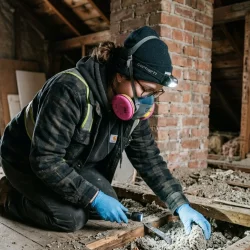
Workplace reconstruction. Mesothelioma attorneys have access to extensive historical records about what asbestos-containing products were used at specific facilities, during specific time periods, by specific trades. If you worked at a steel mill in 1968, your attorney may be able to document which brands of pipe insulation were installed at that facility during those years, which contractors used which gasket materials, and which products were supplied by which manufacturers.
Product identification materials. Over decades of mesothelioma litigation, attorneys have assembled large libraries of product identification binders that show the appearance, branding, and physical characteristics of asbestos-containing products from different eras. Witnesses, including former coworkers, can often identify specific products from photographs even decades later.
Expert testimony. Industrial hygienists can testify about the fiber concentrations workers would have been exposed to in specific occupational conditions during specific time periods. Oncologists and pathologists can testify about the connection between asbestos exposure and the plaintiff's specific diagnosis.
Coworker networks. Because many workers in the same industry and the same era have experienced similar exposures, mesothelioma attorneys often have connections to networks of witnesses who can corroborate exposure history at specific facilities.
What Discovery Means for Your Case
The evidence gathered during discovery typically does one of two things: it drives settlement negotiations or it prepares the case for trial.
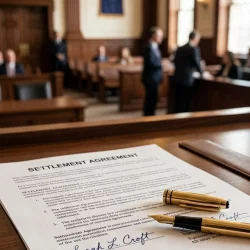
When defendants see compelling documentary evidence that links their products to a workplace, establishes prior corporate knowledge of the hazard, and connects a specific diagnosis to specific exposures, many choose to settle rather than risk a jury verdict. Discovery is often when settlement discussions become most productive.
If a case proceeds to trial, the discovery record becomes the evidentiary foundation for everything that happens in the courtroom.
What You Can Expect to Provide
As the plaintiff or the family representative, here is what you will generally be asked to contribute during discovery:
- An organized timeline of your work history, including employers, dates, locations, and job duties
- Any product names you remember, even partial names or descriptions
- Names of former coworkers, supervisors, or anyone else who knew your work environment
- Your complete medical records related to your diagnosis
- Documentation of financial losses related to the illness
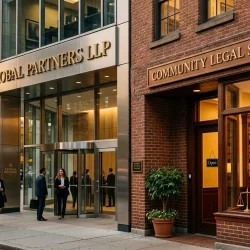
An experienced attorney guides this process and handles the legal mechanics. Your job is to provide as much accurate information about your work and medical history as possible. The depth of resources a law firm brings to this phase matters significantly, and our article on national vs. local mesothelioma law firms examines how that difference plays out in practice.
If you are ready to speak with a mesothelioma attorney about beginning the legal process, the mesothelioma attorney directory at Attorney4Mesothelioma lists specialized attorneys across the country, including practices in San Diego and Atlanta.
This article is for informational purposes only and does not constitute legal advice. Discovery procedures may vary based on jurisdiction and case-specific factors. Consult a qualified mesothelioma attorney to understand the process as it applies to your case.
More to Read:


Previous Posts:
Next Posts: